Label features subduction

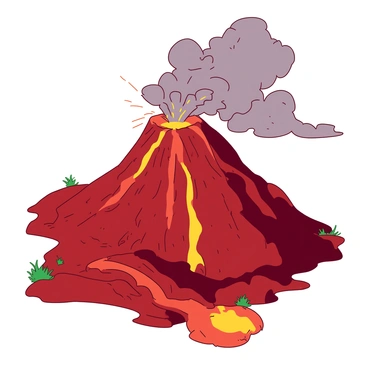
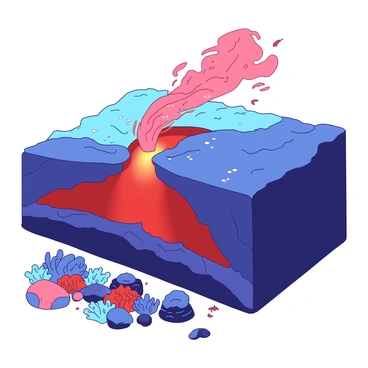
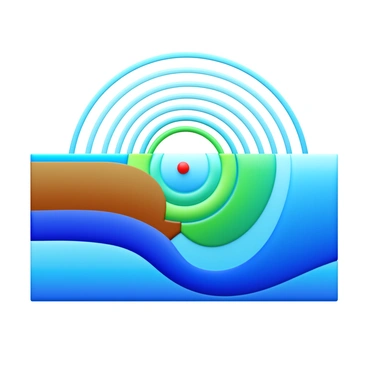
A dramatic scene of magma rising through fissures in the Earth's crust at a subduction zone. The crust is uneven and jagged, revealing deep cracks where the molten lava is seeping through. The magma glows bright orange and red, illuminating the surrounding dark rock with its fiery hue. In the background, there are layers of sedimentary rock and partial volcanic formations, showcasing the geological activity of the area. The sky above is gray, filled with ash and smoke from nearby volcanic eruptions, adding to the intensity of the scene.A detailed illustration depicting a mountain range formed by colliding tectonic plates. The mountain peaks are rugged and jagged, with various shades of gray and brown, highlighting the geological textures and layers of rock. In the foreground, there are rocky outcrops and sparse vegetation, while the background features towering mountains that rise majestically, their summits capped with white snow. Above, the sky is a gradient of soft blues, with wispy clouds scattered throughout. At the base of the mountains, a river winds through the valley, adding a touch of blue to the landscape.A detailed view of sediments accumulating at the edge of a continental plate in a subduction zone. The scene features layers of various sediment types, including sand, silt, and clay, piled up along the steep incline of the continental plate. The sediments show distinct stratification, revealing different colors and textures. Above the accumulation, there are geological features including jagged rocks and visible faults. The ocean is visible in the background, with waves gently crashing against the continental shelf, creating a contrast between land and sea. The atmosphere reflects a sense of geological activity, with subtle indications of tectonic movement in the surrounding landscape.A deep oceanic trench with steep, dark walls formed at a subduction zone. The trench is filled with dark blue water, with light filtering through the surface above. Jagged rock formations rise from the seabed, creating a dramatic landscape. Various marine life, including a school of fish and bioluminescent creatures, can be seen in the depths. Bubbles rise from geothermal vents nearby, creating a contrast between the darkness of the trench and the vibrant life within it. The overall scene conveys the depth and mystery of the ocean floor.A duotone illustration features a series of volcanic islands emerging above a subducting oceanic plate. The islands vary in size and shape, some towering with steep cliffs while others are small and flat. Each island displays distinct volcanic features, including craters and lava flows. Waves crash against the bases of the islands, creating white frothy surf. The sky above is filled with clouds, hinting at the volcanic activity below, while a few birds can be seen flying in the distance. The scene captures the dynamic interplay between land and sea, showcasing the raw power of geological forces at work.A detailed cross-section view of an oceanic trench at a subduction zone. The trench is depicted as a deep, V-shaped valley on the ocean floor. To one side, a tectonic plate is sliding beneath another, showing layers of sediment and rock. The surrounding water is depicted in varying shades of blue, representing depth and clarity. Marine life, such as fish and bioluminescent organisms, is illustrated swimming near the trench walls. The trench walls display geological features like ridges and cliffs, with textures that suggest erosion and sediment accumulation. Above, a gradient of light filters down from the ocean surface, creating a contrast with the darker depths of the trench.A series of rugged islands, created from volcanic activity, are visible in the ocean. Each island has steep, jagged cliffs rising sharply from the water, with vibrant green foliage clinging to the rocky surfaces. The central island features an active volcano, with smoke and ash billowing from its summit. Waves crash against the rocky shores, and patches of dark lava rock are interspersed among the greenery. The sky above is filled with fluffy clouds, casting shadows on the islands below.A red volcano is erupting vigorously, with bright orange lava flowing down its sides. Thick plumes of grey ash and smoke are billowing into the air, creating a dramatic contrast against the volcanic landscape. Surrounding the volcano are rocky terrains, with scattered patches of green vegetation struggling to survive the heat. In the background, the sky is filled with dark clouds, hinting at the chaotic nature of the eruption. The scene captures the intense energy and power of the natural phenomenon.An ocean floor is depicted with distinct layers, showing a dramatic split as new crust emerges from the depths of the ocean. The area near the subduction zone is characterized by a dynamic interaction of tectonic plates, with one plate sliding beneath another. Molten rock is seen seeping from the fissures, creating a vibrant contrast of colors as it cools into new crust. Surrounding the split are various marine elements, including coral formations and schools of colorful fish, illustrating the marine ecosystem that thrives in this environment. Bubbles rise from the cracks, adding a sense of movement to the scene.A stratovolcano is forming at a subduction zone. The ground is fissured and cracked, with molten magma visible rising through the cracks. Above the ground, plumes of smoke and ash are being expelled from the developing volcanic cone. Surrounding the volcano, there are rugged mountains and a dense forest of coniferous trees. The sky is filled with swirling clouds, hinting at the volatile atmosphere of the region. There are small rocks and debris scattered on the ground, indicating recent geological activity.A red thermal plume rises from the mantle at a subduction zone, surrounded by dark, rugged rock formations. The plume is depicted as a wispy, swirling column of heat, contrasting against a backdrop of deep blue ocean waters. The subduction zone is represented by tectonic plates, one sliding beneath the other, with visible fissures and cracks in the earth's crust. In the foreground, there are patches of vibrant coral reefs, adding a burst of color to the scene. Small fish can be seen swimming amidst the corals, while bubbles rise towards the surface from the thermal activity below.A geological scene depicting the uplift of land due to subduction zone processes. In the foreground, there are rugged mountains with steep slopes, showing signs of erosion and exposure of rock layers. The mountains transition into a broad plateau that extends into the background. There are scattered trees dotting the landscape, indicating vegetation on the uplifted land. In the sky above, clouds are forming, suggesting changes in weather patterns that may be linked to geological activity. A river flows at the base of the mountains, winding through the valley and reflecting the surrounding features. The scene captures the dynamic nature of tectonic processes shaping the earth's surface.A detailed illustration of a subduction zone showcasing erosion processes affecting tectonic plates. The scene includes two tectonic plates, one being forced beneath the other, creating a deep trench where the plates meet. The surface of the upper plate shows signs of erosion, with steep cliffs and landslides apparent. Below the trench, there are sediment deposits that have been compacted and weathered over time. Surrounding the area, there are volcanic structures formed from melting rock, and indicators of seismic activity like small fault lines can be seen. The atmosphere reflects the dynamic nature of this geological process.A detailed illustration showing a subduction zone where tectonic plates interact. The scene depicts two tectonic plates, one oceanic and one continental, with the oceanic plate being pushed down beneath the continental plate. Arrows indicate the direction of movement, showcasing the converging forces at play. The oceanic plate appears darker and thinner, while the continental plate is thicker and lighter in color. In the background, there are volcanic mountains and an ocean, emphasizing the geological activity associated with subduction. Various geological features, such as trenches and uplifted terrain, add depth to the composition. The tectonic activity is illustrated clearly, highlighting the dynamic nature of plate interactions.A depiction of a hydrothermal vent system in a subduction zone. The scene features a rugged ocean floor with dark volcanic rock formations. At the center, a hydrothermal vent is actively releasing plumes of hot water and minerals, creating a cloud of white and gray that rises into the surrounding ocean. Various marine life, such as tube worms and deep-sea fish, are clustered around the vent, thriving in the nutrient-rich environment. In the background, a deep-sea trench is visible, where tectonic plates are colliding, with some rocks appearing to be pushed upward while others are sinking. The lighting is dim, illuminated by the vent's glow, highlighting the vibrant ecosystem that exists in this extreme environment.A geological depiction showcasing a subduction zone where tectonic plates converge. The image illustrates the oceanic plate descending beneath a continental plate, creating a dramatic scene of geological activity. Below the surface, areas of deep earthquakes are represented with jagged lines emanating from various depths, indicating seismic activity. The surrounding terrain includes mountains on the continental side and a trench on the oceanic side, emphasizing the dynamic forces at play. There are subtle representations of rock formations and layers that highlight the complexity of the Earth's crust in this region.A subduction zone is depicted with two tectonic plates in a cross-sectional view. On the left, the oceanic plate is shown as a thinner, denser layer with a slightly darker texture. It is illustrated descending beneath the right side, where the continental plate is represented as a thicker, less dense layer with a lighter texture. The interaction at the boundary between the two plates is emphasized, where the oceanic plate bends and begins to subduct into the mantle. Surrounding the zone, there are indications of geological features such as volcanic arcs and trenches, illustrating the geological activity associated with the subduction process.A detailed cross-section of a subduction zone showcasing the epicenter of an earthquake. The image displays the oceanic plate sliding beneath the continental plate, with clearly labeled features including the subduction trench, the descending plate, and the associated volcanic arc. The epicenter is marked prominently, indicating its location above the subduction zone. Additional labels highlight areas of crust deformation, fault lines, and seismic activity, with arrows indicating the movement of tectonic plates.A geological illustration depicts the folding of rock layers at a continental margin resulting from subduction. The image features prominent layers of rock that are visibly bent and contorted, showcasing the effects of tectonic forces. On one side, a continental crust is illustrated, showing a variety of sedimentary rock layers that are pushing upward. On the opposite side, the oceanic crust is represented, with layers that are descending beneath the continental crust. The image includes various geological features such as faults, a trench indicating the subduction zone, and ridges formed by the compression of the colliding plates. The overall scene captures the dynamic nature of Earth's crust in this subduction setting.A detailed representation of seismic waves originating from an earthquake epicenter located in a subduction zone. The epicenter is depicted as a small red dot at the center of the image. Surrounding the epicenter, concentric circles illustrate the different types of seismic waves: primary waves and secondary waves radiating outward. Each wave type is distinguished by different colors, with primary waves shown in blue and secondary waves in green. The surrounding geological layers, including tectonic plates and the ocean floor, provide context to the subduction zone. The overall composition emphasizes the dynamic movement and energy of the seismic waves as they spread through the earth's crust.A detailed cross-section illustration showing the asthenosphere beneath a tectonic plate at a subduction zone. The image captures the semi-fluid layer of the asthenosphere, depicted with flowing, wavy lines to signify movement. Above it, a tectonic plate is illustrated, angled downward as it begins to subduct into the mantle. Surrounding geological features such as oceanic crust and continental crust are also included. The ocean surface is visible above the scene, illustrating the relationship between the subduction zone and the ocean.A series of arrows indicating the movement of tectonic plates at a subduction zone. The arrows should point downward, showing one plate being forced beneath another. The upper plate should be represented as a solid surface, while the lower plate is depicted as a sloping line going into the Earth. Include labels for "Oceanic Plate" and "Continental Plate" adjacent to the respective arrows. Each arrow should be clearly defined and colored differently to illustrate the direction of movement. The background should remain simple to emphasize the arrows and plate interaction.A detailed illustration of an oceanic plate diving beneath a continental plate in a subduction zone. The oceanic plate appears as a textured, dark blue surface, while the continental plate is shown in a lighter shade, with rocky textures and vegetation. The two plates intersect at an angle, creating a dynamic visual of subduction. Surrounding the plates, there are stylized waves in the ocean above, and a mountain range depicted on the continental side. The background shows subtle gradients to represent the depth of the ocean and the elevation of the land.A detailed illustration showcasing the boundary lines between tectonic plates, represented as distinct, jagged lines on the surface. Each boundary line is accompanied by arrows that clearly indicate the direction of movement for each tectonic plate. The arrows vary in size to emphasize the different speeds of movement, some pointing away from the boundary while others converge towards it. Surrounding the boundary lines and arrows, there are patterns representing geological features such as mountains, valleys, and faults to enhance the understanding of tectonic activity.A geological illustration of a subduction zone displaying varying crustal thickness. The image shows two tectonic plates, with one plate being subducted underneath the other. There are distinct layers of crust visualized, with thicker crust on the overriding plate and gradually thinning as it approaches the trench. The subducting plate is illustrated at an angle, demonstrating its entry into the mantle. Various geological features such as volcanic arcs and fault lines are depicted. The surface terrain shows mountainous regions on the overriding plate while the subduction trench is clearly marked.A modern pastel illustration depicting the process of a cold oceanic plate descending into the mantle at a subduction zone. The image features a cross-section view of the Earth's layers, showcasing the oceanic plate on the top, colored in dark blue, with arrow indicators showing its downward movement. Below it, the mantle displays a gradient of warmer colors, representing the transition zone. Surrounding the subduction zone are stylized waves in lighter blue and textures that illustrate tectonic activity. Small volcanic eruptions can be seen in the mantle as a result of the subduction process. The overall composition clearly illustrates the dynamic interaction between the oceanic plate and the mantle beneath.A detailed illustration showing convection currents within the Earth's mantle driving plate movements at a subduction zone. The image features a cross-section of the Earth, highlighting the layers: the crust, the mantle, and the core. Bright, swirling arrows indicate the movement of the convection currents in the mantle, with warm material rising and cooler material sinking. At the subduction zone, one tectonic plate is shown being pushed beneath another, with clear separation to illustrate the process. Surrounding this geological activity, there are depictions of volcanic activity and earthquake lines to signify the dynamic nature of the area.An illustration depicting the focus point of an earthquake occurring along a subduction zone. The image shows a detailed cross-section of the Earth's crust, highlighting two tectonic plates. One plate is descending beneath the other, creating a clear boundary between them. At the intersection of these plates, there is a well-defined point marked with concentric circles indicating the focus of the earthquake. Surrounding this area, there are arrows showing the direction of movement of the plates and lines depicting the stress build-up along the fault line. The background includes representations of geological layers, illustrating the depth at which the earthquake originates.A labeled diagram of a subduction zone displaying key features. At the center, there is a large oceanic trench labeled "Oceanic Trench". To the right of the trench, there is a continental plate labeled "Continental Plate". Beneath the trench, an oceanic plate is labeled "Oceanic Plate". Arcing above the trench, there are several volcanoes, labeled "Volcanoes", indicating the volcanic activity resulting from the subduction process. There are arrows indicating the direction of plate movement, with one arrow pointing downwards towards the trench and another arrow pointing upwards towards the volcanoes.
В сообществе ничего не найдено