Prefrontal cortex

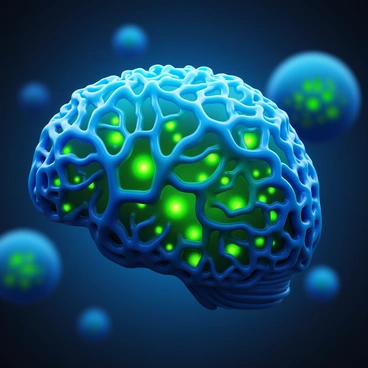
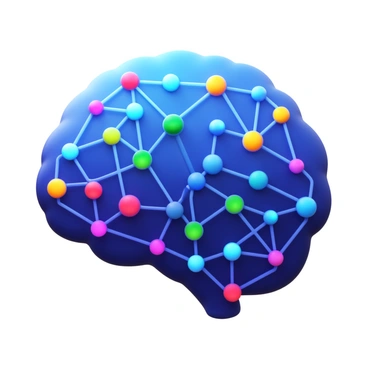
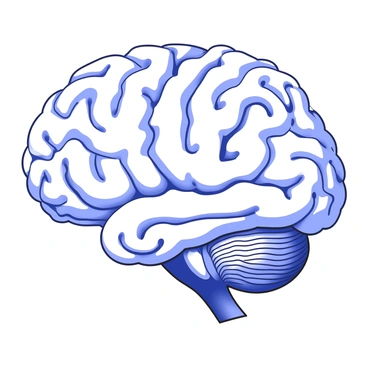
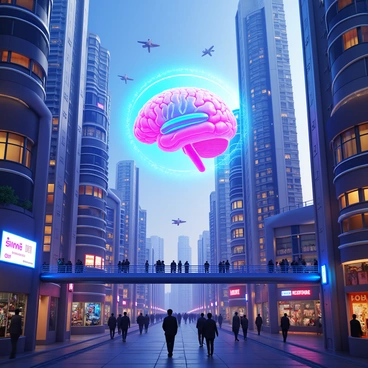
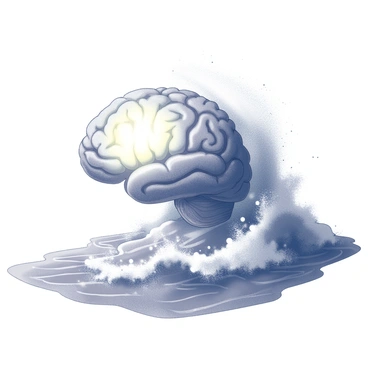
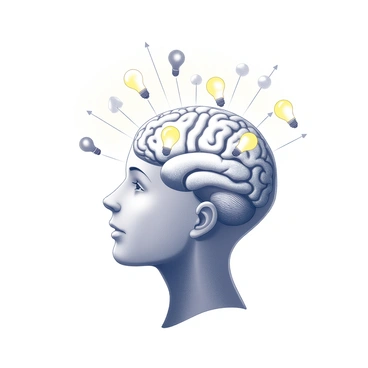
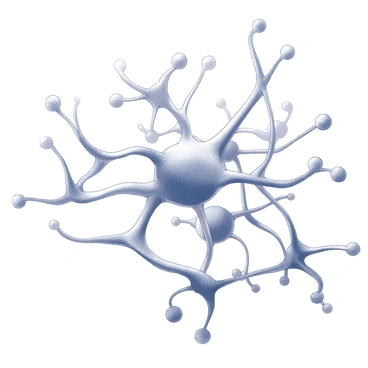
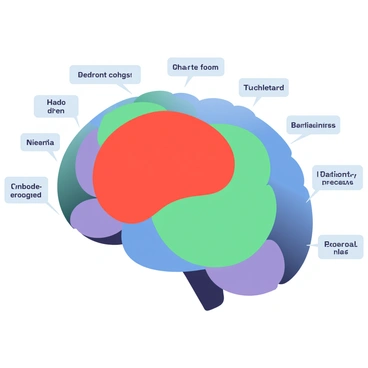
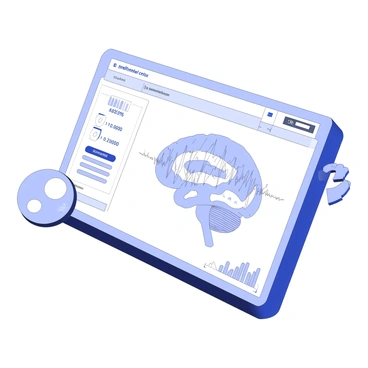
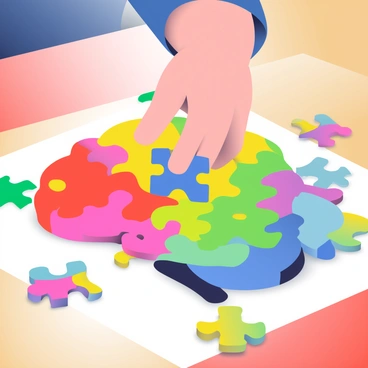
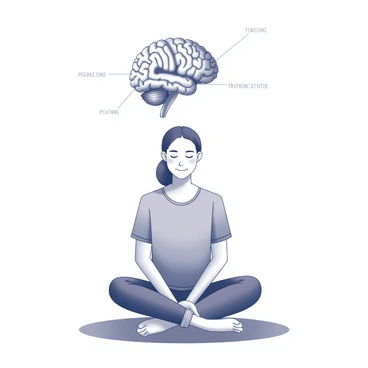
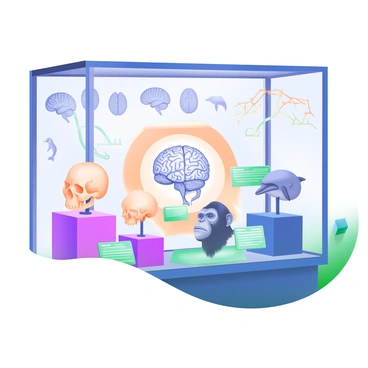
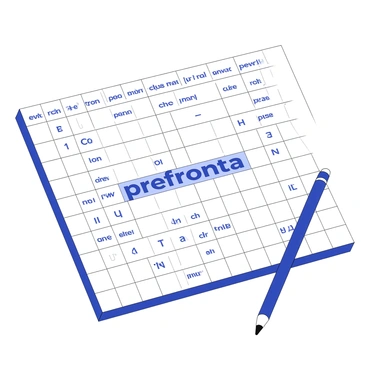
A zoomed-in view of neural connections in the "prefrontal cortex." The image features numerous "neurons" with intricate dendritic branches. Synapses are depicted with a "glowing" effect, highlighting the points of connection between the neurons. The background shows a blurred representation of other neural structures, emphasizing the focus on the prefrontal cortex. The overall color palette includes deep blues and vibrant greens to enhance the visual contrast of the glowing synapses against the neural architecture.An interactive digital network with nodes lighting up in various colors. The network is centered around the "prefrontal cortex" area, clearly marked in the composition. Each node is connected by lines representing neural pathways, with some lines pulsating to indicate activity. The background features a gradient that enhances the visual contrast of the nodes and connections. The overall design presents a dynamic and engaging representation of neural activity.A brain is prominently displayed, with the prefrontal cortex highlighted in intricate swirls. The brain features various folds and creases, representing its complex structure. The swirls are layered and dynamic, illustrating the unique characteristics of the prefrontal cortex while contrasting against the rest of the brain. Each swirl flows seamlessly into the surrounding areas, creating a sense of movement and depth. The overall composition captures the intricate nature of the brain's anatomy and functions.A landscape featuring a variety of trees in different shapes and sizes. The sky above is filled with fluffy clouds that are arranged to form the shape of a brain. Specifically, the spotlight shines brightly on the prefrontal cortex area of the brain shape created by the clouds. The ground is a mix of grass and small flowers, providing a natural setting that complements the unique cloud formation.A night sky filled with twinkling stars. The stars are aligned to form the shape of a "brain". The focus is on the "prefrontal cortex", which is highlighted with a brighter glow, drawing attention to its distinct shape. The surrounding stars shimmer lightly, creating a deep blue backdrop. The overall scene is tranquil, with the starry brain shining brightly against the darkness of the night.A futuristic cityscape with towering skyscrapers and advanced architecture. The horizon is filled with glowing neon lights and dynamic holographic displays. One prominent display showcases a detailed 3D model of a "prefrontal cortex" in vibrant colors, illustrating its various regions and connections. Flying vehicles zip through the sky, while people walk below on elevated walkways. The atmosphere is lively, with digital advertisements and interactive elements integrated into the environment.A large ocean wave is crashing against the shore, uniquely shaped to resemble a brain. The crest of the wave features a glowing area that mimics the appearance of a prefrontal cortex, emitting a bright light that stands out against the turbulent water below. The wave's surface is detailed with intricate textures that resemble neural pathways, enhancing the brain-like appearance. The ocean surrounding the wave is agitated, with smaller waves and foam creating a dynamic scene.A human head is depicted in profile view with visible brain anatomy. The prefrontal cortex is highlighted, showing various lightbulbs emerging from it. These lightbulbs are surrounded by abstract shapes and lines that suggest a flow of ideas. The background is empty to emphasize the brain and the ideas radiating outward. The scene captures a sense of creativity and intellect.A close-up view of neurons in the prefrontal cortex. The neurons are illustrated as intricate threads, intertwined in a complex network. Each thread has a distinct texture, adding depth to the image. The threads are depicted with varying thicknesses, showcasing their unique structures. The overall composition highlights the interconnectivity of the neurons, with some threads appearing to pulse gently, suggesting activity and communication among them. The focus is on the delicate patterns formed by these neuronal connections, creating an engaging visual representation of brain activity.A garden designed to resemble the shape of the prefrontal cortex. In the foreground, various plants with intricate leaves and unique patterns create the curves and folds of the brain structure. Brightly colored flowers bloom throughout, mimicking the neural connections with their clustered formations. Pathways wind through the garden, leading to sections filled with vibrant green shrubs that enhance the overall shape. A wooden bench is positioned nearby, allowing for contemplation of the garden's unique design.A bustling cityscape at night filled with numerous skyscrapers and buildings. The city is illuminated with vibrant lights that outline the shape of a "brain". The highlighted area emphasizes the "prefrontal cortex" with brighter lights, drawing attention to its form. Cars and pedestrians can be seen moving below, adding to the sense of activity in the scene. The sky is a deep blue, dotted with a few stars, providing a striking contrast to the bright lights of the city.A robot stands upright, featuring a sleek metallic body with articulated joints. Its head is transparent, revealing a highly detailed mechanical prefrontal cortex filled with intricate gears, circuits, and glowing LED lights. The robot's eyes are bright blue and emit a soft glow, while its body is composed of silver and dark gray metal. Surrounding the robot are various tools and gadgets scattered on a workbench, hinting at a workshop environment.A large maze puzzle is designed in the shape of a human brain. The brain's intricate folds and lobes are clearly defined, with the prefrontal cortex marked as the entry point. The maze pathways are lined with a soft gradient from light blue to deep purple, creating a visually striking contrast. Small arrows are placed along certain pathways to guide the way through the maze. Embedded within the maze are small icons representing various cognitive functions such as a light bulb for ideas and gears for problem-solving. The overall structure of the brain maze is elevated slightly from the background, creating a three-dimensional effect.A scientist wearing safety glasses is standing in front of a table. On the table is a 3D model of the human brain, prominently displaying the prefrontal cortex in a bright color for emphasis. The scientist is pointing at the prefrontal cortex with a focused expression. There are several tools and a notepad nearby, indicating the scientist’s study and analysis. Bright overhead lights illuminate the workspace.A detailed representation of synapses in the prefrontal cortex. The synapses are depicted as intricate structures where neurons connect and transmit signals. There are numerous connections visible, highlighting the complexity of neural pathways. Each synapse is shown with small electrical impulses represented as sparks or bursts of energy. The overall scene conveys the activity and interaction of these synapses, emphasizing their role in brain function.A prefrontal cortex depicted as a vibrant, colorful area filled with swirling gradients. Around it, various neurotransmitters are illustrated as lively, abstract shapes with dynamic movements, resembling energetic dance moves. The background features a disco-like atmosphere with shimmering lights and geometric patterns, creating a sense of rhythm and excitement. Bright, pastel colors dominate the scene, enhancing the playful mood of the neurotransmitters' dance.A control room filled with multiple screens displaying various graphs and data feeds. Each screen shows different functions being monitored, with bright lines and fluctuating patterns. Surrounding the screens are an array of dials and switches, indicating adjustments being made. The room has a central console with buttons and levers, suggesting an active environment. The overall layout suggests a complex system, with cables running between the equipment, showcasing the intricate workings of the mind.A gym interior is filled with individuals engaged in various activities focused on mental exercises. Each station is equipped with interactive brain games, puzzles, and cognitive challenges specifically designed for enhancing the functions of the "prefrontal cortex." People are seen concentrating on tasks that involve problem-solving and strategic thinking. Some are seated at tables with boards displaying complex mazes, while others are standing in front of screens that present challenging trivia questions. There are visual elements indicating progress, such as scoreboards and timers, emphasizing the competitive aspect of the mental workout. The atmosphere is lively, with participants discussing strategies and cheering each other on.An artist is sitting at a wooden table covered with various sketches and drawings. The sketches depict different characters and landscapes, showcasing the artist's creativity. Above the artist's head is an illustration of a glowing prefrontal cortex, radiating soft light. The artist has a focused expression as they look at their work, surrounded by pencils and markers arranged neatly around them.A professor is standing in front of a large diagram of the prefrontal cortex during a university lecture. The professor has glasses and is wearing a light-colored blazer over a shirt. They are pointing towards the highlighted areas of the diagram with their right hand. Behind the professor, there are rows of students seated at desks, attentively listening. The diagram itself is detailed, featuring labeled sections and arrows indicating different functions of the prefrontal cortex. There are books and a laptop on the professor's desk adjacent to the diagram.A colorful diagram of the human brain is displayed prominently. The brain is depicted in various shades of blue, green, and purple, showcasing its different regions. The prefrontal cortex area is highlighted in bright red, drawing attention to its location at the front of the brain. Labels indicating other regions of the brain are shown in clear black text next to each respective area, providing informative context. The overall composition is organized and clear, emphasizing the prefrontal cortex against the vibrant background of the rest of the brain.A digital screen is displaying brain activity with a focus on the "prefrontal cortex" region. The screen features a detailed graphical representation of neural activity, showcasing various wave patterns and intensity levels. There are highlighted areas indicating increased activity, particularly emphasizing the "prefrontal cortex." Various data points and metrics are shown alongside the graphical representation, providing context to the brain's functioning. The screen is positioned at an angle, and there are surrounding interface elements that provide additional information and controls.A group of children is sitting at their desks in a classroom. The children are engaged in a discussion, with some raising their hands. Each child is wearing a colorful shirt. On the wall behind them is a large poster of a brain, with the prefrontal cortex highlighted in a vibrant color. The classroom is filled with educational materials, including books and art supplies. Bright windows allow light to fill the space, creating a lively atmosphere.A large, colorful jigsaw puzzle is spread out on a wooden table. The pieces are arranged to form the shape of a brain, with various bright colors representing different areas. In the center of the puzzle, the "prefrontal cortex" piece is being carefully placed into the top front section of the brain. The hand of a person, with light skin and wearing a blue shirt, is hovering above the puzzle, about to fit the last piece into place. The remaining pieces are scattered around, showing hints of vibrant colors and shapes. A soft light illuminates the scene, enhancing the colors of the puzzle.A person sitting cross-legged on a flat surface, with a serene expression on their face and eyes closed. Their hands are resting on their knees in a relaxed position. Above the person, an overlay depicting the prefrontal cortex is shown, clearly labeled and illustrated for clarity. The background is simple and uncluttered, emphasizing the figure and the overlay.A display case in a natural history museum features an educational exhibit showing the evolution of the "prefrontal cortex" across various species. In the center, there is a large, detailed diagram illustrating the size and structure of the prefrontal cortex in humans, primates, and other animals. Surrounding the diagram are lifelike models of different species, including a human skull, a chimpanzee, and a dolphin, each positioned on pedestals. Informational plaques are placed next to each model, providing insights into the evolutionary significance of the prefrontal cortex in each species. The background of the display is adorned with diagrams of brain scans and evolutionary trees that further emphasize the connection between the species displayed.A community health fair booth features a large, eye-catching poster prominently displayed with the words "Prefrontal Cortex Health Tips" in bold, colorful letters. The poster includes various tips illustrated with simple icons, such as a brain silhouette, a book, and a water bottle. In front of the booth, a friendly volunteer with dark skin and short black hair stands ready to engage with visitors. The volunteer is wearing a bright blue t-shirt with the health fair logo and is holding a stack of informational pamphlets. A small table beside the booth is covered with colorful brochures and some healthy snacks like apples and granola bars. Behind the booth, there are colorful balloons tied to a stand, adding to the festive atmosphere of the health fair.A crossword puzzle is displayed on a grid. The squares are filled with various brain-related words, including terms like "neurons," "synapses," and "cortex." The word "prefrontal" is prominently featured across the center of the puzzle, highlighted to draw attention. Other related words are interconnected, showcasing the relationships between them. Some squares are blank, indicating spaces for players to fill in. A pencil rests beside the puzzle, suggesting an interactive experience.A person is wearing VR goggles, completely immersed in a virtual environment. The virtual space features a detailed, three-dimensional model of the prefrontal cortex, showcasing intricate structures and pathways. Colorful gradient pastel hues fill the scene, with soft pinks, blues, and greens creating a harmonious backdrop. The individual stands engaged, reaching out towards the virtual model with both hands. Surrounding the model are various data points and interactive elements, highlighting different functions of the prefrontal cortex.A group of four students is sitting around a rectangular table. The students are diverse in appearance, with one having curly black hair, another with straight blonde hair, a third having long brown hair, and the last with short red hair. They are all focused on a large textbook that is opened to a page titled "Prefrontal Cortex." The table is cluttered with notebooks, colored pens, and a laptop. A small potted plant sits in the center of the table. The students are engaged in discussion, with one pointing at the textbook while another takes notes.
В сообществе ничего не найдено