Indian removal

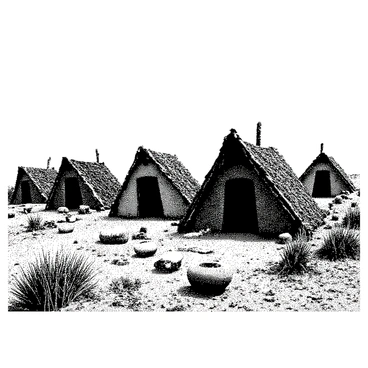
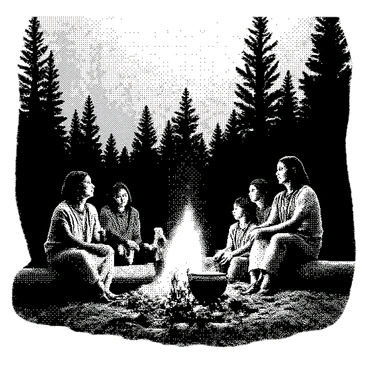
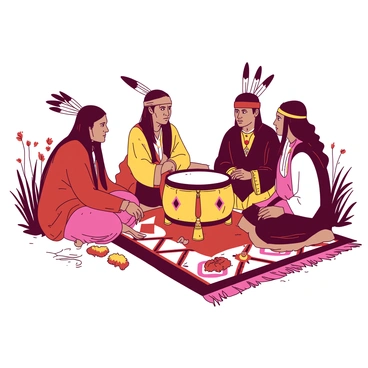
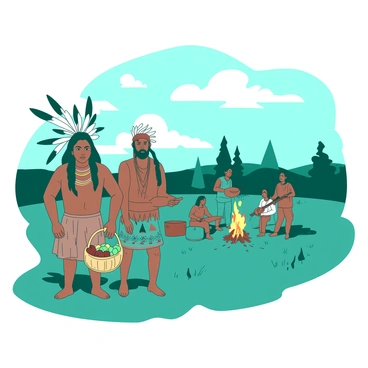
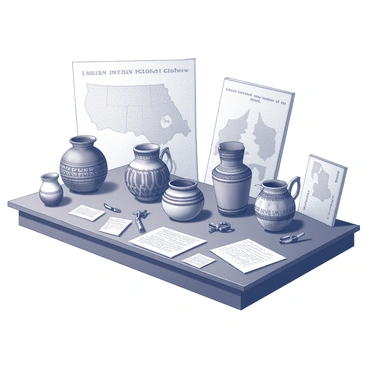
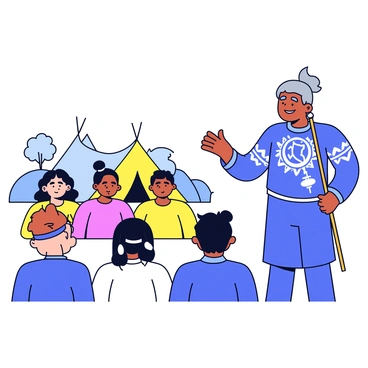
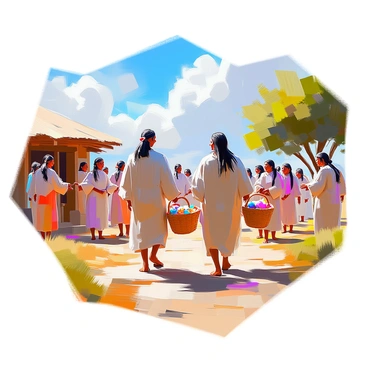
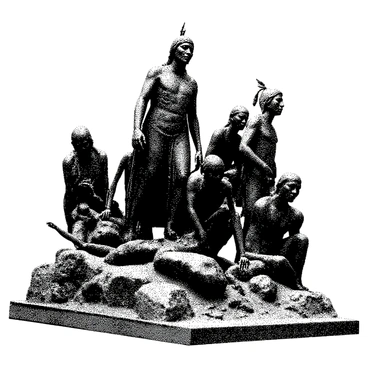
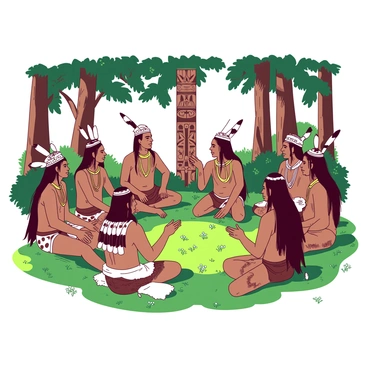
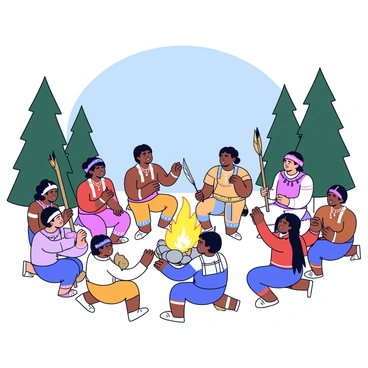
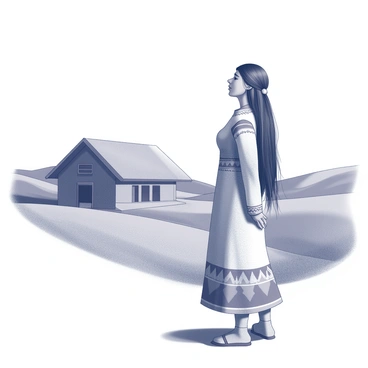
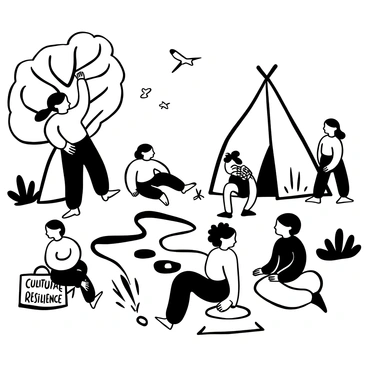
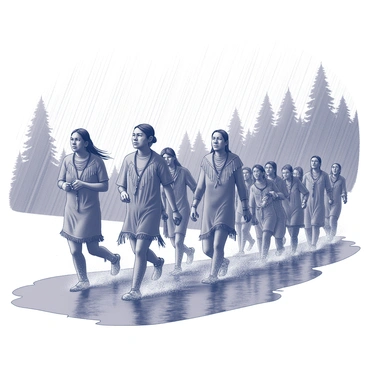
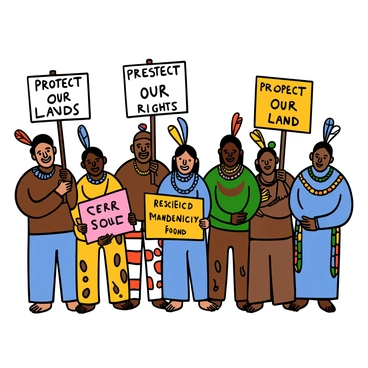
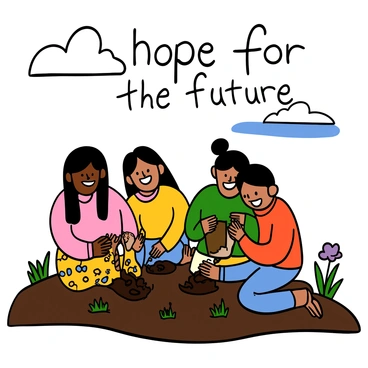
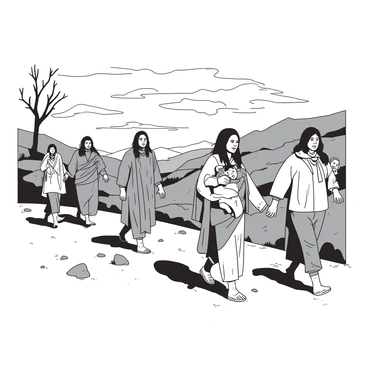
A landscape divided into two sections. On the left, a vibrant homeland is depicted with lush green fields, blooming flowers, and a clear blue sky, showcasing a variety of trees and wildlife. Inhabitants can be seen tending to the land, engaging in community activities, and enjoying the natural beauty. On the right, a barren path is illustrated, characterized by cracked earth, sparse vegetation, and a grey, overcast sky. This section includes remnants of structures and debris, suggesting abandonment. The contrast between the two scenes emphasizes the drastic change in the environment.A series of empty Native American homes are scattered across a rugged landscape. The structures are simple, constructed from natural materials, with their roofs sagging and walls showing signs of wear. Each home has a unique design, reflecting traditional architectural styles. Surrounding the homes, there are remnants of personal belongings, like worn pottery and tools, partially buried in the earth. The sky above is vast and open, enhancing the sense of abandonment and loss. In the foreground, tufts of dry grass sway gently in the breeze, adding to the atmosphere of stillness. "Relocation" is subtly inscribed in the dirt near the entrance of one of the structures.A narrow forest path winding through tall, lush trees with sunlight filtering through the leaves. The path is lined with rich green foliage and scattered pine needles. Along the path, there are distinct footprints appearing in the soft earth, illustrating the journey taken by Native Americans. The footprints are accompanied by small stones and fallen leaves, enhancing the sense of a historical journey in this serene woodland setting.A vibrant Cherokee village set in the early 19th century, featuring traditional wooden dwellings and a lush, natural landscape. Several families are gathered, with adults engaged in various activities such as weaving and cooking. Children are playing joyfully in the foreground, some chasing each other while others are playing with handmade toys. In the background, a large gathering area shows community members exchanging goods and stories. The atmosphere is lively, filled with the sounds of laughter and conversation, under a clear blue sky.A Native American family is gathered around a campfire at dusk. The adults are sitting on logs, while children are playfully moving around them. Their clothing reflects traditional patterns and textures, with intricate beadwork visible on some garments. The campfire is crackling, with bright flames illuminating their faces in the fading light. A few pots and simple tools are placed around the campfire, suggesting preparations for a meal. The setting features silhouettes of tall trees in the background, indicating a forested area. The atmosphere conveys a moment of rest during their journey.A wooden wagon filled with various belongings such as blankets, cooking pots, and clothing. The wagon is pulled by a sturdy horse, which is standing on a dirt path. Surrounding the wagon are a few scattered items, including a worn suitcase and a pair of old shoes. In the background, there are trees with autumn leaves, and the sky shows gradient pastel colors transitioning from soft pink to light blue. The overall scene conveys a sense of movement and transition, reflecting the historical context of the Indian Removal Act.A young Native American scout with dark hair tied back is leading a group through a rugged landscape during the forced migration. He is wearing traditional clothing, including a fringed shirt and leather leggings, adorned with intricate beadwork. His expression is focused and determined as he navigates the terrain. Behind him, several members of his community follow, carrying bundles and looking to him for guidance. The setting features a vast, open sky with a few clouds, and the ground is a mix of grass and rocky patches. In the distance, mountains rise sharply against the skyline, and the atmosphere conveys a sense of resilience amidst the struggle.A group of Native American leaders, dressed in traditional regalia, are gathered in a circle, deep in discussion. The leaders are seated on a vibrant woven rug that features intricate patterns. Each leader has distinct attire, showcasing various cultural elements such as feathered headdresses and beaded necklaces. In the center, there is a large, ornate ceremonial drum. The expressions on their faces reflect concentration and concern as they engage in a serious conversation about the implications of the removal act. Surrounding them, there are natural elements such as tall grass and a few scattered wildflowers, contributing to the setting of their meeting.A teal landscape showcases a group of actors dressed in traditional attire, depicting the events surrounding the Indian Removal Act. In the foreground, a man wearing a feathered headdress stands with an expression of determination. Beside him, a woman in a colorful beaded dress holds a basket filled with fruits. In the background, several other actors are gathered around a campfire, some playing musical instruments, while others engage in conversation. The actors are positioned to create a sense of community and resilience amid the historical context. The sky above is a soft gradient of white and blue, illuminating the scene.A group of Native Americans is crossing a river using makeshift rafts made from logs and branches. The rafts are floating on the water, while some individuals are paddling with long sticks. Others are standing or sitting on the rafts, carrying woven baskets and blankets. The riverbanks are lined with trees and various plants, depicting a natural landscape. In the background, there are distant hills providing a sense of depth. The sky above is depicted with various clouds, adding contrast to the scene.A collection of cultural artifacts displayed on a wooden table. The artifacts include traditional pottery, intricately woven baskets, and ornate jewelry, each with unique patterns and designs that reflect the heritage of Indigenous peoples. Surrounding the artifacts are remnants of handwritten notes and illustrations of historical significance. In the background, there are faded maps showing areas affected by the Indian Removal Act. The setting suggests a sense of loss and preservation, with each item holding a story from the past.An elder person with gray hair and a wise expression is standing in front of a group of younger tribe members. The elder is wearing traditional clothing, decorated with intricate patterns. The younger members are gathered around, attentively listening. In the background, there are several tents and nature elements like trees or a river, indicating they are preparing for relocation. The elder is gesturing with one hand while holding a walking stick in the other hand. The atmosphere conveys a sense of community and shared purpose.A group of Native American leaders and government officials is gathered around a large wooden table in a negotiation setting. The Native American leaders are dressed in traditional attire, featuring intricate beadwork and feathers. Several of them are sitting, while others are standing, engaged in discussion. The government officials are in business suits, holding documents and speaking among themselves. On the table, there are papers with maps and notes, along with a glass of water. The room is adorned with historic photographs and flags, contributing to the atmosphere of diplomacy. In the background, a large window reveals a view of trees and landscape outside.A group of Native Americans, dressed in traditional clothing made from natural materials, arrives at a new settlement after a long journey. They carry woven baskets filled with supplies and personal belongings, showcasing vibrant patterns. The setting includes a backdrop of lush green trees, and the settlement features handmade wooden structures. Some community members greet them warmly, with smiles and outstretched arms. The sky above is a bright blue with a few fluffy white clouds, and the scene is filled with a sense of hope and new beginnings.A weathered sculpture stands prominently, showcasing intricate details that depict the struggles of the Trail of Tears. The sculpture features a group of figures representing Native Americans in varying poses of hardship and resilience. Their expressions are solemn, conveying a deep sense of sorrow and determination. The figures are interspersed with elements of nature, such as rugged stones and twisted trees, adding to the gravity of the scene. The surface texture of the sculpture is rough and aged, emphasizing its historical significance. The background is stark and simple, allowing the sculpture to dominate the composition.A group of tribal chiefs is seated in a circle, engaged in deep discussion about the "removal act." Each chief is wearing traditional clothing, showcasing various intricate patterns and vibrant colors. Some chiefs are holding ceremonial staffs, while others have their hands gesturing as they speak. The setting is surrounded by tall trees, and the ground is covered in green grass with small wildflowers scattered throughout. Sunlight filters through the leaves, creating dappled shadows on the ground. In the background, there is a wooden totem with tribal carvings, adding cultural significance to the scene.A group of government officials gathered around a large wooden table in an ornate office. Papers and documents are spread across the table, with one official using a quill to sign a document titled "Indian Removal Act." Another official is pointing at a map of territories while a third is taking notes on a clipboard. The office is adorned with heavy drapes and framed portraits of historical figures on the walls. A large bookshelf filled with books is visible in the background. An inkpot and a candle holder are placed on the table, contributing to the historical ambiance of the scene.A group of Native Americans gathered in a natural setting, surrounded by tall trees and a clear blue sky. They are dressed in traditional attire, featuring colorful fabrics and intricate beadwork. In the center, a fire burns brightly, surrounded by stones. One individual is playing a wooden flute, while others join hands in a circle, expressing a sense of unity. Some participants are holding feathered staffs, and others have small bags tied around their waists. The atmosphere reflects a moment of deep connection to their land and culture, highlighting their respect for nature.A close-up view of the "Indian Removal Act" document laid flat on a wooden surface. The document features intricate text and bordered edges, highlighting its historical significance. Beside the document, there is a quill pen resting on the wood, showcasing its elegant, elongated shape and delicate feathers. The quill is positioned slightly diagonally, with the nib pointing towards the document, creating a sense of connection between the two elements. The lighting casts soft shadows, emphasizing the textures of the paper and the quill.A historical map displaying the routes taken during the Indian Removal Act. The map features detailed paths marked in various shades of brown, illustrating the westward movement. There are labeled regions with names in a classic font style, indicating the areas affected by the removal. Surrounding the map are illustrations of trees and rivers that were prominent in the regions during that period. The background has a textured, aged parchment appearance to enhance the historical context of the map.A Native American woman stands with her head turned back, glancing at her traditional dwelling that symbolizes her heritage. She wears a beautifully crafted dress adorned with intricate patterns, reflecting her cultural identity. Her long, dark hair flows down her back, gently swaying in the breeze. The landscape showcases rolling hills in the background, while the sky above is vast and open. The expression on her face conveys a sense of longing and determination as she prepares for her forced journey. The scene captures the emotional weight of her departure and the connection to her home.A group of Native American children engaged in playful activities in a vibrant natural setting. Two children are climbing a tree while others are sitting on the grass, engrossed in a game. One child is skipping stones across a small stream nearby. In the background, there are traditional tents, and a few birds can be seen flying above. The children are dressed in a mix of traditional attire and modern clothing, illustrating their adaptation to the new environment. Words "Cultural Resilience" are integrated into the scene, perhaps on a wooden sign placed near the stream.A group of dancers performing a cultural dance, dressed in traditional attire that represents their heritage. Each dancer exhibits intricate footwork and expressive movements as they convey emotions of loss and remembrance. The dancers are gathered in a circle, with some holding colorful banners that symbolize their homeland. The setting is a natural landscape, with gentle rolling hills and trees in the background, enhancing the sentiment of nostalgia in the performance. The expressions on their faces reflect a deep connection to their past, blending joy and sorrow in the dance.A group of Native Americans is depicted marching through a downpour. The figures are adorned in traditional clothing, showcasing a variety of fringed garments and accessories. Their expressions reflect determination and resilience as they navigate the muddy terrain. Raindrops fall heavily around them, creating ripples in the puddles at their feet. The backdrop includes a dense forest, where trees sway slightly in the strong wind, emphasizing the challenging conditions they face. The scene conveys a sense of unity and strength amid adversity.A group of musicians playing traditional Native American instruments. One musician is playing a flute, while another is drumming on a hand-held drum. A third musician is shaking a rattle. They are dressed in colorful traditional attire with feathers and beads. The scene captures their focused expressions as they perform, surrounded by a natural landscape that suggests movement and travel. The atmosphere conveys a sense of connection and purpose in their music.A memorial statue stands prominently in a serene park setting, showcasing a powerful figure representing resilience. The statue is made of polished stone, with intricate details carved into the clothing and posture of the figure, symbolizing strength and remembrance. Surrounding the statue are several smaller stones, each engraved with the names of individuals affected by the Indian Removal Act. The area is adorned with lush greenery, and soft, gradient pastel colors fill the background, creating a gentle atmosphere that invites reflection. In front of the statue, a small plaque reads "In Honor of Those Who Suffered," providing context and emphasizing the significance of the memorial.A diary lies open on a wooden table, showcasing illustrated entries that depict the journey of a Native American family. Each page features an image capturing key moments from their travels. One illustration shows a family sitting around a campfire, with a purple sky overhead and silhouettes of trees in the background. Another page depicts the family crossing a river, with one member guiding a canoe while others walk along the bank. A third entry illustrates the family gathering berries in a lush landscape, surrounded by green foliage and flowers. Each image is intricately detailed, highlighting the family's connection to nature and their cultural heritage. The diary itself has a weathered leather cover, with beads and feathers attached to the spine.A group of Native Americans standing together in unity. They are holding signs with messages like "Protect Our Land" and "Respect Our Rights," expressing their peaceful protest against forced relocation. Each individual is dressed in traditional attire, showcasing vibrant colors and intricate patterns. Some have feathers in their hair, while others are wearing beaded jewelry. The scene captures their determination and resilience, highlighting a diverse group of men and women of varying ages, all focused and united in their cause.A group of Native American children with varying skin tones and traditional clothing are kneeling on the ground, planting seeds in fresh soil. They are surrounded by bright green grasses and small patches of colorful wildflowers. The children are smiling and focused on their task. One girl with long black hair is gently placing seeds into the earth, while a boy with short brown hair is holding a small bag of seeds. In the background, there are a few distant trees and a clear blue sky with fluffy white clouds, indicating a sunny day. "Hope for the future" is written in the air above them in curly, playful letters.A group of Native American families is walking in a harsh landscape. The landscape features rugged hills and barren trees with a cloudy sky above. Each family member carries belongings tied in blankets, and some have children in their arms. The expressions on their faces convey resilience and determination. The ground is uneven and rocky, highlighting the difficulty of their journey. In the distance, a faint outline of mountains can be seen against the sky.
В сообществе ничего не найдено